The daily Post

READ OUR BLOG
Photographers & Videographers

Photographers & Videographers in Dubai

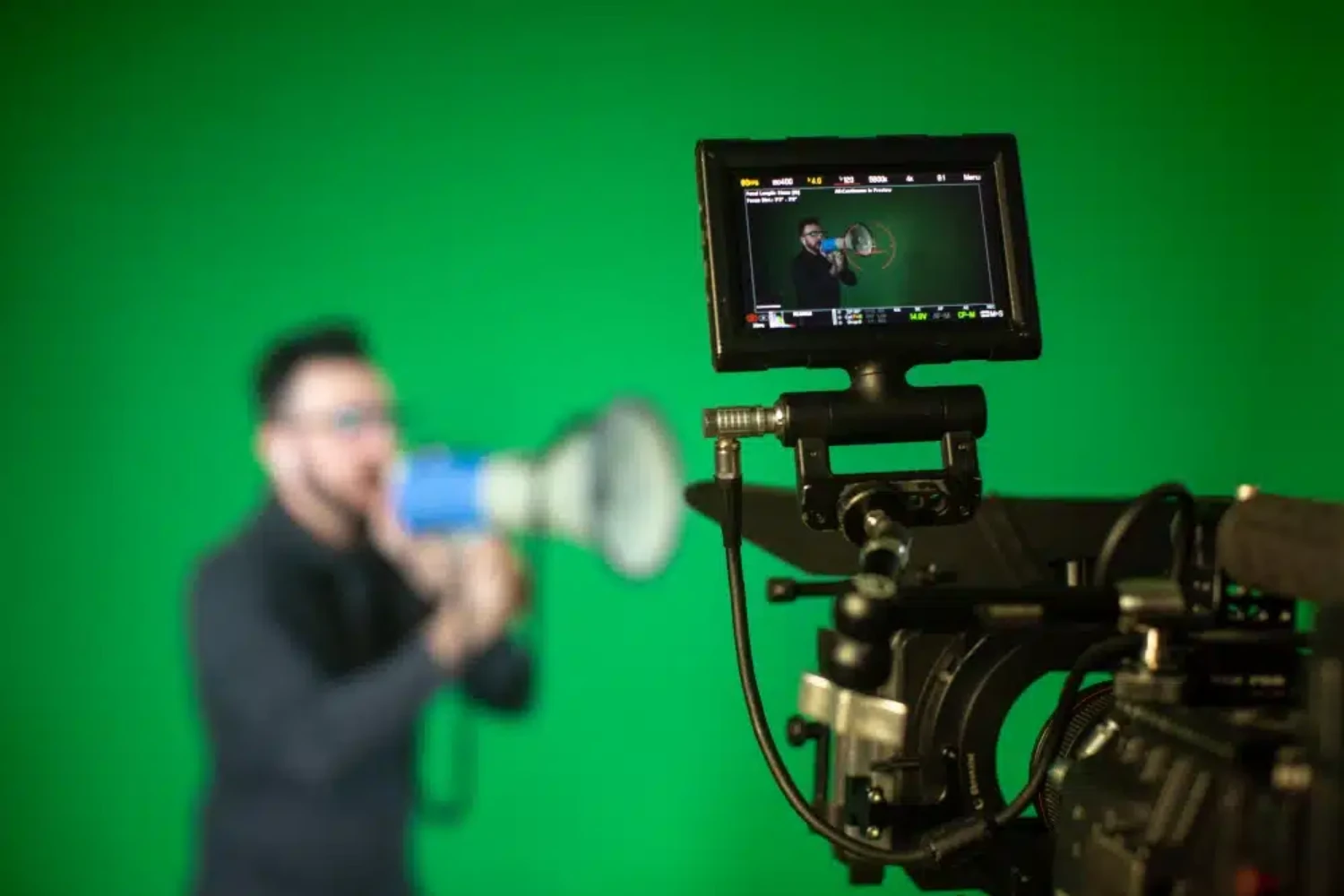
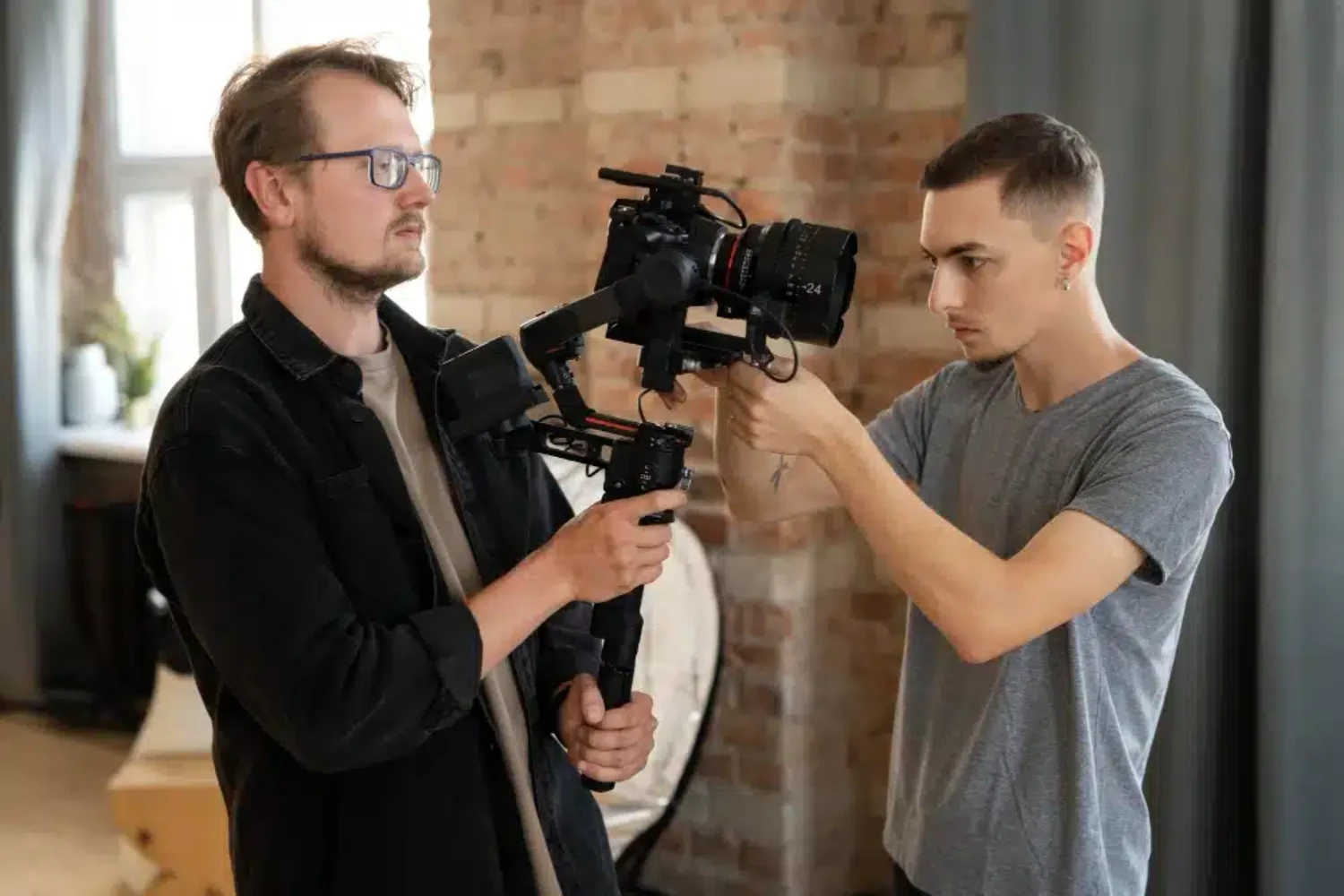
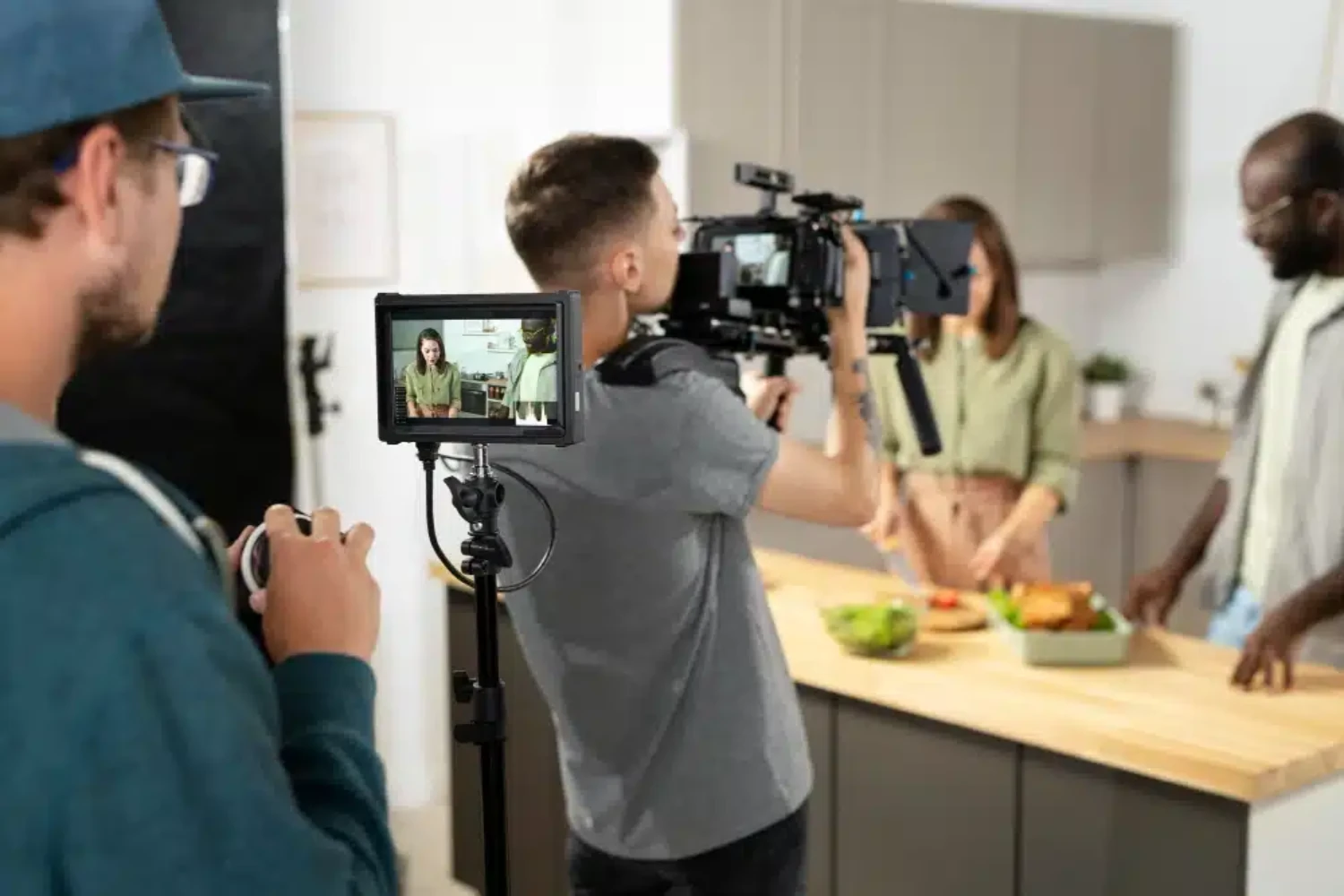
Dubai is a city built on visuals — gleaming skylines, luxury events, world-class brands, and unforgettable moments that deserve to be captured with precision and creativity. Whether you’re a business launching a new campaign, a couple planning your wedding, or a brand looking to stand out on social media, finding the right Photographers & Videographers in Dubai can make all the difference.

At DOT Motions, we specialize in delivering high-quality photography and videography solutions tailored to the fast-paced, visually driven market of Dubai. From corporate shoots to cinematic video production, our team blends technical expertise with creative storytelling to bring your vision to life.

Why Dubai Needs Professional Photographers & Videographers  

Dubai’s business landscape is highly competitive, and visual content plays a major role in how brands, events, and individuals are perceived. Hiring Professional Photographers in Dubai and Professional Videographers in Dubai ensures that your content isn’t just good — it’s polished, strategic, and aligned with your goals.

Whether it’s a product launch, a real estate listing, a corporate event, or a personal milestone, professional visuals help you:

  • Build credibility and trust with your audience

  • Stand out on social media and digital platforms

  • Create lasting impressions for events and campaigns

  • Showcase products, spaces, or services in the best possible light

Photography Services in Dubai  

As a leading Photography Company in Dubai, DOT Motions offers a full range of Photography Services Dubai businesses and individuals rely on, including:

  • Corporate and business photography

  • Product and e-commerce photography

  • Event and lifestyle photography

  • Real estate and architectural photography

  • Portrait and personal branding shoots

Our approach to Professional Photography Services Dubai combines technical precision with an eye for storytelling, ensuring every image communicates the right message for your brand or occasion.

Videography Services in Dubai  

Video content continues to dominate digital marketing, and Dubai’s businesses are no exception. As a trusted Video Production Company Dubai relies on, DOT Motions delivers Videography Services Dubai clients need to create engaging, high-impact video content.

Our Video Production Services Dubai include:

  • Corporate and brand videos

  • Event coverage and highlight reels

  • Promotional and advertising videos

  • Social media content and reels

  • Documentary-style and cinematic storytelling

Working with Professional Videographers in Dubai means every frame is captured with intention — from lighting and composition to post-production editing that gives your video a polished, professional finish.

Why Choose DOT Motions  

DOT Motions brings together photography and videography expertise under one roof, making us a convenient, reliable choice for anyone searching for Photographers in Dubai or video production support. Here’s what sets us apart:

  • Experienced Team: Skilled photographers and videographers with local market knowledge

  • Full-Service Production: From concept and shoot to editing and final delivery

  • Modern Equipment: High-end cameras, drones, and lighting for cinematic quality

  • Client-Focused Approach: Every project tailored to your brand, budget, and timeline

  • Fast Turnaround: Reliable delivery without compromising on quality

Whether you need a one-time shoot or an ongoing content partner, DOT Motions is equipped to handle projects of every scale.

Industries We Serve  

Our photography and videography services cater to a wide range of industries across Dubai and the UAE, including:

  • Real estate and property developers

  • Hospitality, restaurants, and hotels

  • Retail and e-commerce brands

  • Corporate businesses and startups

  • Events, weddings, and personal celebrations

No matter your industry, our team adapts our style and approach to match your specific visual needs.

Frequently Asked Questions  

1. What areas in Dubai do you provide photography and videography services in?

DOT Motions provides photography and videography services across Dubai and the wider UAE, covering both indoor studio shoots and on-location projects.

2. Do you offer both photography and videography services together?

Yes. DOT Motions offers combined photography and videography packages, so you can capture both stills and motion content in a single, coordinated shoot.

3. What types of events or projects do you cover?

We cover corporate events, product launches, real estate shoots, brand campaigns, social media content, weddings, and personal photography sessions.

4. How do I book a shoot with DOT Motions?

You can get in touch with our team to discuss your project requirements, and we’ll guide you through the booking process, from consultation to final delivery.

5. Do you provide editing and post-production services?

Yes, all our photography and videography packages include professional editing and post-production to ensure a polished final result.

6. How far in advance should I book a photographer or videographer in Dubai?

It’s best to book at least one to two weeks in advance, especially for events or peak seasons, to ensure availability and proper planning time.

Get in Touch with DOT Motions  

If you’re searching for reliable Photographers & Videographers in Dubai, DOT Motions is here to help you tell your story through powerful imagery and cinematic video content. Reach out to our team today to discuss your next project and discover how we can bring your vision to life.
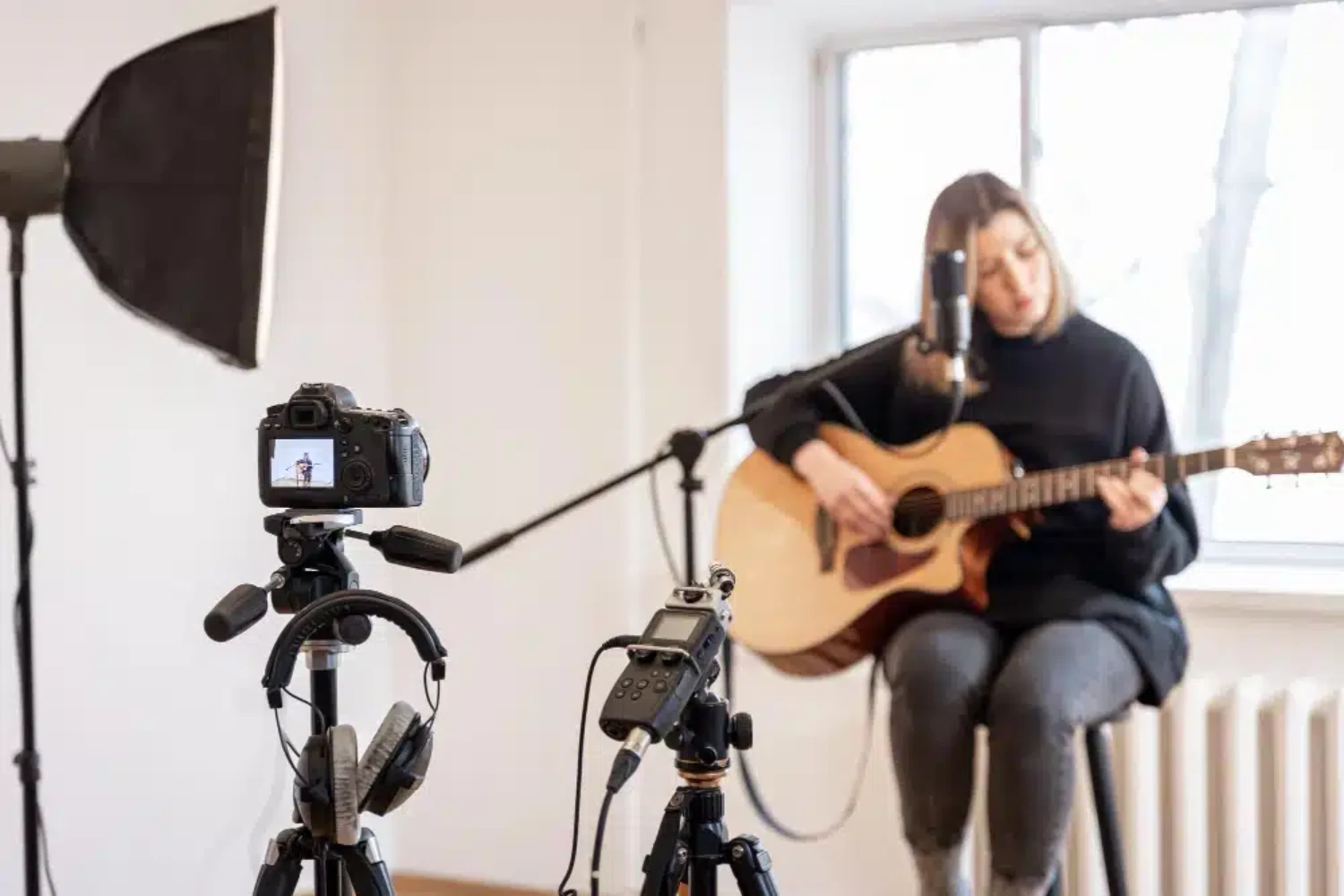
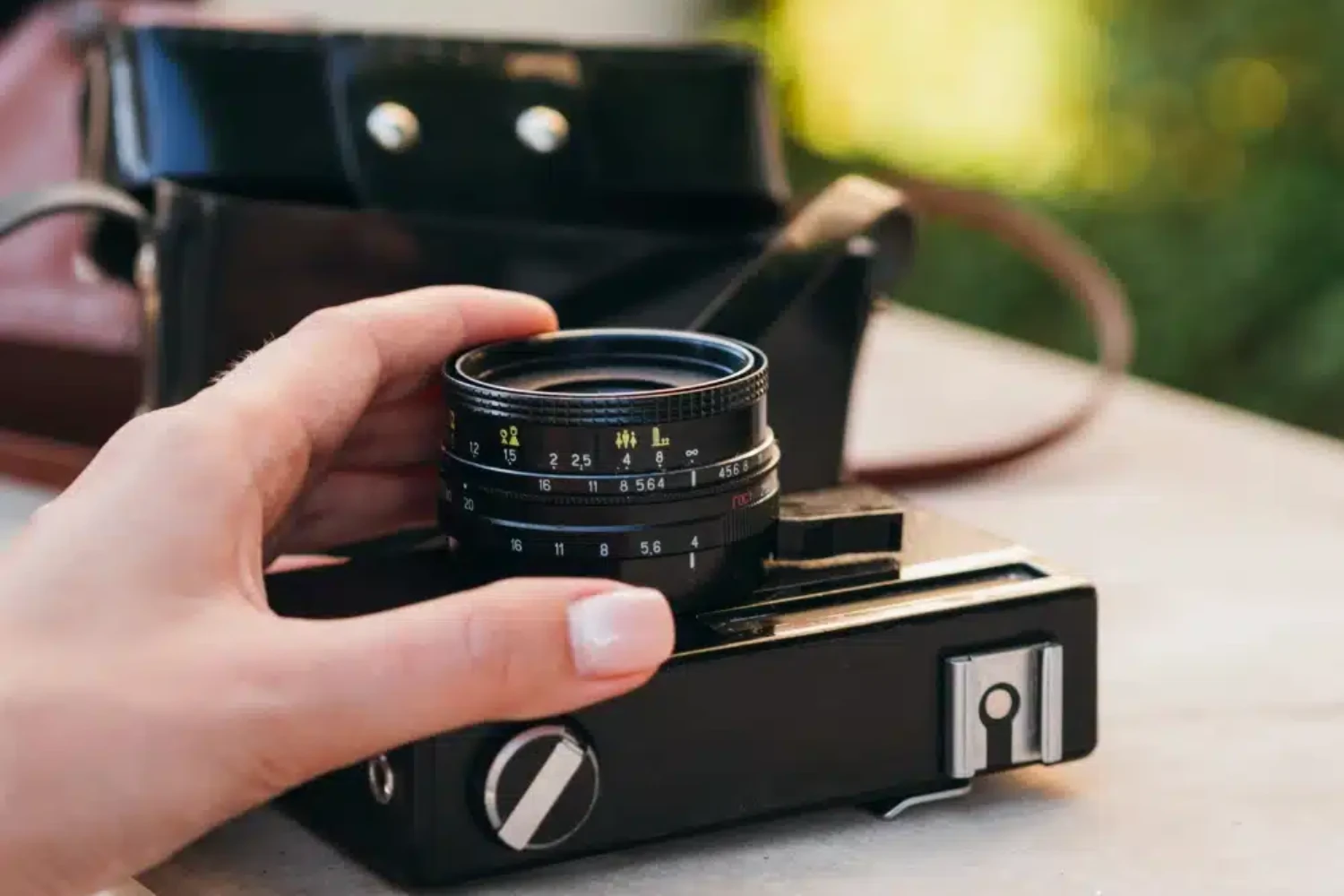
music video shooting

Top Tips for Shooting Music Videos

A great music video doesn’t happen by accident. It’s the result of careful planning, smart camera work, and creative storytelling that brings a song to life visually. Whether you’re an independent filmmaker, a budding director, or an artist looking to produce your own visuals, mastering the right music video shooting tips can be the difference between an amateur clip and a video that gets people talking.

At DOT Motions, we’ve worked on countless music video productions, and we’ve learned that the best results come from a mix of preparation, technical skill, and creative risk-taking. In this guide, we’ll walk you through everything you need to know — from pre-production planning to camera techniques and post-production polish.

1. Start With a Strong Concept  

Before you even think about cameras or lighting, nail down your concept. Every successful music video begins with a clear creative vision that matches the tone, genre, and energy of the song. Ask yourself:

  • What story or mood does the song convey?

  • Should the video be narrative, performance-based, or abstract?

  • What visual style (color palette, setting, wardrobe) fits the artist’s brand?

Having a strong concept is one of the most important music video production tips because it guides every decision that follows — from locations to lighting to editing style.

2. Plan Thoroughly: Storyboards and Shot Lists  

If you want to know how to shoot a music video efficiently, the answer starts long before you hit record. Create a detailed storyboard and shot list that breaks down every scene, angle, and transition. This keeps your shoot day organized and ensures you don’t miss critical shots.

A solid shot list should include:

  • Wide establishing shots

  • Close-ups of the artist’s performance

  • B-roll and cutaway shots

  • Transitional or dynamic movement shots

Planning ahead saves time, reduces costly reshoots, and keeps your entire crew aligned on the vision.

3. Choose the Right Locations  

Location sets the visual tone for the entire video. Whether you’re shooting in a studio, on the street, or in a scenic outdoor setting, make sure the location complements the song’s energy. Scout locations in advance, check lighting conditions at different times of day, and always have a backup location in case of weather issues or permit problems.

4. Master Your Camera Techniques  

Camera work is where technical skill meets creativity. These music video camera techniques can elevate your footage significantly:

  • Dynamic movement: Use gimbals, sliders, or drones to add fluid motion that keeps viewers engaged.

  • Varied angles: Mix wide shots, close-ups, and low or high angles to add visual interest.

  • Lens choice: Wide-angle lenses create dramatic perspective, while telephoto lenses compress space for intimate performance shots.

  • Frame rates: Experiment with slow motion for emotional or high-energy moments.

These music video filming techniques aren’t just about looking good — they help tell the story and match the rhythm of the music.

5. Prioritize Lighting  

Lighting can make or break a shoot. Natural light works beautifully for outdoor or documentary-style videos, but controlled studio lighting gives you more consistency and creative control. Use colored gels, practical lights, and contrast to build mood and match the song’s atmosphere. Good lighting is a cornerstone of professional music video production, so don’t rush this step.

6. Sync Everything to the Beat  

One of the most overlooked music video filming tips is shooting with the song’s rhythm in mind. Play the track on set during filming so performers can lip-sync and move naturally to the beat. This also helps camera operators time movements — like whip pans or zooms — to hit key musical beats, creating a more polished final edit.

7. Capture Plenty of B-Roll  

B-roll footage gives editors flexibility during post-production. Extra shots of details, environments, textures, and candid moments can be used to fill gaps, build transitions, or add visual variety. Never underestimate how much B-roll can elevate your music video cinematography.

8. Get Creative With Ideas  

Standing out in a crowded space requires originality. Some creative music video ideas to consider:

  • One-continuous-shot videos for a raw, immersive feel

  • Split-screen or multi-angle storytelling

  • Practical effects like colored smoke, mirrors, or projection mapping

  • Unexpected locations that contrast with the song’s tone

  • Choreography-driven visuals synced tightly to the beat

The more distinctive your concept, the more memorable your video becomes.

9. Don’t Skip Post-Production  

Filming is only half the process. Editing, color grading, and sound syncing are essential parts of music video production that shape the final feel of the piece. Invest time in matching cuts to the beat, applying a consistent color grade, and fine-tuning transitions so the video flows seamlessly from start to finish.

10. Work With Experienced Professionals  

If you want your video to look truly professional, consider collaborating with an experienced production team. At DOT Motions, our crew specializes in bringing artistic visions to life through expert cinematography, lighting design, and post-production craftsmanship — helping artists create music videos that stand out and connect with audiences.

Final Thoughts  

Shooting a compelling music video takes more than just pointing a camera at a performer. From concept development to camera techniques and lighting, every stage plays a role in the final result. By applying these music video shooting tips, you’ll be well on your way to producing videos that captivate viewers and elevate the artist’s brand.

Looking for expert help bringing your vision to life? DOT Motions offers full-service music video production, from concept to final cut.

Frequently Asked Questions

1. What equipment do I need to shoot a music video?

At a minimum, you’ll need a good camera (DSLR, mirrorless, or cinema camera), a stable tripod or gimbal, adequate lighting equipment, and audio playback for syncing performances to the track. Additional gear like drones, sliders, and multiple lenses can add production value.

2. How long does it take to shoot a music video?

Shoot times vary depending on the complexity of the concept, number of locations, and scale of production. A simple performance video might take a single day, while a narrative-driven video with multiple locations and setups can take several days.

3. What’s the difference between performance-based and narrative music videos?

Performance-based videos focus on the artist singing or performing, often with dynamic camera movement and styling. Narrative videos tell a story, sometimes with actors, dialogue-free scenes, or a plot that complements the song’s theme.

4. How important is lighting in music video production?

Lighting is critical. It sets the mood, enhances visual style, and ensures footage looks professional. Poor lighting can make even great camera work look unpolished, while well-executed lighting elevates the entire production.

5. Do I need a big budget to make a great music video?

Not necessarily. Creativity, careful planning, and strong execution can produce impressive results even on a modest budget. A clear concept, quality lighting, and thoughtful editing often matter more than expensive equipment alone.

6. Why should I hire a professional production company for my music video?

Professional teams, like DOT Motions, bring technical expertise, creative direction, and production resources that can significantly elevate the quality of your video, saving you time and helping you avoid common production pitfalls.

The Best Cameras for Photos and Videos

The Best Cameras for Photos and Videos 2026

Choosing the best cameras for photos and videos in 2026 comes down to one question: do you want a camera that photographs beautifully, films beautifully, or does both without compromise? The good news is that this year’s lineup of mirrorless and hybrid cameras has closed the gap between stills and motion more than ever before. Whether you’re a hobbyist upgrading your first camera, a working professional, or a content creator chasing the next viral upload, there’s a model built specifically for how you shoot.

At DOT Motions, we test gear the way creators actually use it — in real shoots, real lighting, and real deadlines. This guide rounds up the best camera for photography and videography across every budget and skill level, so you can stop scrolling spec sheets and start shooting.

What Makes a Camera “Best” for Both Photos and Videos?  

Not every great photography camera is a great video camera, and vice versa. Before picking a best camera for photos and videos, weigh these factors:

  • Sensor size and resolution – Full-frame sensors generally deliver better low-light performance and dynamic range for both stills and 4K/6K footage.

  • Autofocus system – Reliable subject tracking (eyes, faces, animals, vehicles) matters just as much in video as in photography.

  • In-body image stabilization (IBIS) – Essential for handheld video and sharper low-shutter-speed photos.

  • Video specs – Look at bit depth, log profiles, frame rates, and recording limits, not just resolution numbers.

  • Ergonomics and battery life – A camera you can shoot with all day, in both stills and video mode, wins over one with a longer spec sheet but worse handling.

Best Cameras for Photography 2026  

If stills are your priority, these are the standout choices this year:

  • Fujifilm X-T5 – A favorite among enthusiasts for its color science, retro handling, and APS-C sharpness.

  • Nikon Z6 III – A mid-range full-frame body that balances resolution, speed, and value.

  • Canon EOS R6 Mark III – An all-round full-frame performer with excellent autofocus for portraits, events, and travel.

  • Hasselblad X2D 100C – For photographers who want maximum image quality with zero video distractions, this medium-format option leads the pack.

These cameras represent some of the best cameras for photography 2026 has to offer for anyone prioritizing image quality above all else.

Best Cameras for Video 2026  

Video-first shooters have their own set of priorities: bit depth, codecs, and heat management during long recording sessions. Leading picks include:

  • Nikon Z8 – Strong stacked-sensor performance for both fast-moving stills and high-resolution video.

  • Panasonic Lumix S1 Mark II – A dependable, video-forward hybrid that handles demanding shoots without overheating.

  • Fujifilm X-H2S – Historically one of the strongest APS-C video cameras on the market, with high frame-rate options.

If your work leans heavily toward filmmaking, documentary, or branded video content, these represent the best cameras for video 2026 for creators who need dependable footage above all else.

Best Camera for Photos and Videos: Top Hybrid Picks  

For most people, a single camera that handles both jobs well is the smarter investment. These hybrids consistently rank among the best camera for photos and videos:

  • Sony A7 V – A do-everything full-frame body with excellent autofocus in both photo and video modes.

  • Canon EOS R5 Mark II – A high-end hybrid that rarely finds a task it can’t handle, from portraits to cinematic 8K footage.

  • Fujifilm X-S20 – A strong entry-to-mid-level hybrid built for creators who need serious video without sacrificing stills quality.

Best Hybrid Cameras 2026  

Expanding on the shortlist above, here’s a broader look at the best hybrid cameras 2026 across price points:

  • Canon EOS R8 – One of the most affordable full-frame hybrids currently available, ideal for creators stepping up from crop-sensor bodies.

  • Nikon Z6 III – Excellent video formats (including Raw), a waveform display, and dependable subject tracking make it a genuine all-rounder.

  • Sony A7C II – A compact full-frame hybrid for creators who want serious image quality in a travel-friendly body.

Best Mirrorless Cameras 2026  

Mirrorless has fully taken over as the dominant camera category, with Canon and Nikon both winding down new DSLR development. Standouts among the best mirrorless cameras 2026 include the Nikon Z6 III, Canon EOS R6 Mark III, Sony A7 V, and Fujifilm X-T5 — each excelling in a slightly different niche, from value to speed to color science.

Best Camera for Professional Photography  

Professionals shooting weddings, editorial work, or commercial campaigns need speed, reliability, and exceptional image quality. The best camera for professional photography in 2026 includes:

  • Nikon Z9 – A flagship built for speed, resolution, and rugged reliability.

  • Canon EOS R5 Mark II – Excels across nearly every professional photography scenario, from sports to studio work.

  • Fujifilm GFX 100S II – A medium-format option for photographers who need the absolute highest image fidelity.

Best Camera for Professional Video  

For video production teams and freelance filmmakers, the best camera for professional video needs to deliver clean codecs, reliable autofocus, and long recording stability:

  • Panasonic Lumix S1 Mark II – Consistently reliable for long-form professional video work.

  • Nikon Z8 – Offers a rare mix of high-resolution stills and pro-grade video in one body.

  • Canon EOS R5 Mark II – A go-to for hybrid production teams that need both photo and video deliverables from a single camera.

Best Camera for Content Creators  

Content creators need cameras that are lightweight, fast to operate, and social-media ready. The best camera for content creators in 2026 includes:

  • Fujifilm X-S20 – Compact, video-capable, and easy to run solo without a full crew.

  • Sony A6700 – A trusted APS-C option with strong subject tracking for solo creators on the move.

  • Canon EOS R10 – Budget-friendly with fast burst shooting and solid 4K video, great for creators just starting out.

Best Camera for YouTube Videos  

If your main goal is building a YouTube channel, prioritize autofocus reliability, articulating screens, and clean HDMI output. Strong choices for the best camera for YouTube videos include:

  • Sony A6700 – Excellent autofocus and a fully articulating display built for solo vlogging setups.

  • Fujifilm X-S20 – Lightweight with strong video specs suited to long-form talking-head and tutorial content.

  • Canon EOS R10 – An affordable entry point with dependable 4K video for creators building their first channel.

How DOT Motions Chooses Its Recommendations  

Every camera featured in this guide was evaluated on real-world usability — not just spec sheets. At DOT Motions, our approach to the best camera for photography and videography focuses on how a camera performs across full shoot days: autofocus consistency, footage quality under mixed lighting, ergonomics, and how well it holds up under a professional workflow.

Frequently Asked Questions  

What is the best camera for photos and videos in 2026?

There’s no single universal answer, but hybrid full-frame cameras like the Sony A7 V, Canon EOS R5 Mark II, and Nikon Z6 III are widely considered the best all-round options for shooters who need strong photo and video performance from one body.

What is the best camera for photography and videography on a budget?

Cameras like the Canon EOS R8, Canon EOS R10, and Fujifilm X-S20 offer strong hybrid performance without flagship pricing, making them ideal starting points for creators and enthusiasts.

What should content creators look for in a camera?

Content creators should prioritize reliable autofocus, a fully articulating screen, lightweight body design, and clean 4K video output — features found in cameras like the Sony A6700 and Fujifilm X-S20.

Are mirrorless cameras better than DSLRs in 2026?

Yes, for most use cases. Mirrorless cameras now offer better autofocus, more advanced video features, and lighter lens options, which is why major manufacturers have shifted focus away from developing new DSLRs.

Do I need a full-frame camera for professional video work?

Not always. While full-frame sensors offer better low-light performance and dynamic range, many APS-C cameras like the Fujifilm X-H2S deliver professional-grade video results at a lower cost and with more compact gear.

What’s the difference between a hybrid camera and a dedicated video camera?

A hybrid camera is designed to perform well at both photography and videography, making it ideal for creators who need one body for both tasks. A dedicated video camera typically prioritizes video-specific features like advanced cooling, professional audio inputs, and cinema-style controls, sometimes at the expense of photography performance.

Video Ideas

10 Video Ideas to Create at Home

Making videos doesn’t have to mean renting a studio or buying expensive gear. Some of the most engaging content online today was filmed in a living room, kitchen, or backyard. If you’ve been searching for video ideas to create at home, you’re in the right place. Whether you’re a complete beginner or looking to grow your social media presence, this list will help you turn your space into a content creation hub.

At DOT Motions, we believe great video content starts with a great idea — not a big budget. Here are 10 video ideas you can start filming today, right from the comfort of your home.

1. Day-in-the-Life Vlogs  

One of the simplest home video content ideas is documenting your daily routine. People love authentic, relatable content, and a day-in-the-life video gives your audience a peek into your world. Film your morning coffee, workspace setup, or evening wind-down. It’s low-effort but high-connection content.

2. DIY Home Decor Tutorials  

If you enjoy crafting or redecorating, this is one of the most popular DIY video ideas out there. Show viewers how to upcycle furniture, create wall art, or organize a room on a budget. Step-by-step tutorials perform well because they offer real value viewers can act on immediately.

3. Cooking or Recipe Videos  

Kitchen content is timeless. Film yourself preparing a favorite recipe, testing a viral food trend, or sharing quick meal-prep hacks. This is one of the fun videos to make at home that almost always finds an audience, since food content is universally relatable.

4. Room Tours and Home Organization  

Show off your space or share how you keep it tidy. Room tours and organization hacks are consistently strong video content ideas for social media, especially on platforms like Instagram Reels and TikTok, where quick transformations grab attention fast.

5. Skill or Talent Showcases  

Do you play an instrument, paint, dance, or write? Use your home as your stage. Talent showcase videos are a great creative video idea at home because they highlight your personality and skills without needing external locations or props.

6. Product Reviews or Unboxings  

Got something new you’re excited about? Film an honest review or unboxing video. This is one of the most reliable easy video ideas for beginners since you only need the product, decent lighting, and a phone camera to get started.

7. Q&A or “Get to Know Me” Videos  

Sit down, set up your camera, and answer questions from your audience or common questions in your niche. These videos build trust and connection, making them a smart addition to your video production ideas at home list, especially for creators building a personal brand.

8. Home Workout or Wellness Routines  

Fitness and wellness content continues to trend. Film a quick home workout, a stretching routine, or a self-care evening ritual. It’s practical, easy to shoot in one room, and appeals to a wide audience looking for accessible wellness content.

9. Before-and-After Transformations  

Whether it’s a cleaning project, a garden makeover, or a personal glow-up, before-and-after videos are naturally engaging. They tell a visual story in seconds, making them one of the most shareable creative content ideas for videos you can film without leaving your house.

10. Tutorial or “How-To” Content  

Teach something you’re good at — whether it’s editing photos, styling outfits, or fixing a common household problem. Educational content is one of the strongest YouTube video ideas to create at home, since tutorials keep viewers watching until the end and encourage them to subscribe for more.

Final Thoughts  

You don’t need a professional studio to create scroll-stopping videos — you just need a good idea, some natural light, and a willingness to experiment. These simple video ideas for beginners prove that your home already has everything you need to start creating content that connects with your audience.

At DOT Motions, we help creators and brands turn everyday ideas into polished, professional video content. If you’re ready to take your home videos to the next level, we’re here to help you plan, shoot, and produce content that stands out.

Frequently Asked Questions

1. What equipment do I need to start making videos at home?

You can start with just a smartphone, a stable surface or tripod, and natural lighting from a window. As you grow, you can invest in a ring light, external microphone, and basic editing software.

2. What are the easiest video ideas for complete beginners?

Day-in-the-life vlogs, product reviews, and simple tutorials are great starting points. They require minimal setup and let you practice filming and editing without a steep learning curve.

3. How can I make my home videos look more professional?

Focus on good lighting, clean backgrounds, and clear audio. Even small improvements, like filming near a window during the day or using a basic lapel mic, can significantly boost video quality.

4. What type of home video content performs best on social media?

Short, visually engaging formats like room transformations, quick tutorials, and before-and-after videos tend to perform well because they’re easy to consume and share.

5. How often should I post video content?

Consistency matters more than frequency. Start with one or two videos a week and adjust based on your schedule and audience engagement.

6. Can I create YouTube-worthy content entirely from home?

Absolutely. Many successful YouTube channels are filmed entirely at home. What matters most is a clear idea, decent audio and lighting, and content that provides value or entertainment to viewers.

Filming Companies

Top Filming Companies in Abu Dhabi: How to Choose the Right Production Partner

Abu Dhabi’s production market has grown fast. Between government-backed media zones, twofour54’s studio infrastructure, and a steady flow of international productions taking advantage of the Abu Dhabi Film Commission’s rebate programme, the emirate now has no shortage of companies willing to call themselves a filming company. The gap between the best of them and the rest is rarely visible on a website. It shows up in permit delays, missed golden-hour windows, and footage that looks fine on a phone but falls apart on a boardroom screen.

This guide sets out what actually separates a professional filming company in Abu Dhabi from an operator with a camera, so you can evaluate options properly before you commit a budget.

See our video production services in Abu Dhabi

Start With Credentials, Not the Showreel

Every production company’s showreel looks polished. Credentials are harder to fake and matter more. Confirm that the company is properly licensed to operate and film in Abu Dhabi, holds current accreditation for the specific venues or zones you need — twofour54, Yas Island attractions, and government buildings each have their own access rules — and, if drone footage is part of the brief, holds valid DCAA-equivalent aerial filming certification for Abu Dhabi airspace, which is separate from Dubai’s.

Ask directly whether the company has filed for or used the Abu Dhabi Film Commission’s production incentive on past projects. A company that regularly works with the Commission understands the permit process, the required documentation, and realistic turnaround times — knowledge that is very different from simply owning good camera equipment.

Ask How They Handle Permits and Access

Abu Dhabi’s public spaces, government districts, and cultural landmarks — Sheikh Zayed Grand Mosque, Louvre Abu Dhabi, Yas Island, Al Maryah Island — each carry different filming permissions, and some require weeks of lead time. A production company that manages this process on your behalf, rather than expecting you to navigate it yourself, is doing work that protects your shoot day and your budget. If a company cannot clearly explain their permit process when asked, treat that as a warning sign, not a minor gap.

Explore our aerial and drone filming capabilities

Look at Portfolio Range, Not Just Polish

Abu Dhabi’s client base spans government communications, luxury hospitality, real estate, and corporate finance, and each sector expects a different visual language. A government-facing film needs a different tone and pace than a luxury hotel campaign or a real estate walkthrough. Look for a portfolio that shows range across sectors, not just a handful of visually similar showcase pieces, since that range signals a team that adapts its approach to the brief rather than applying one house style to everything.

Check Equipment Standards Against the Deliverable

The right equipment depends entirely on where the footage will be used. Content bound for social media has different technical requirements than footage intended for broadcast, an investor presentation, or a large venue screen. Ask what camera systems, lenses, and stabilisation equipment the company uses for projects at your intended scale, and whether their post-production workflow includes proper colour management — a step that becomes critical the moment footage is going anywhere beyond a phone or laptop screen.

Confirm Bilingual and Cultural Capability

Abu Dhabi’s audience is genuinely bilingual, and government and corporate clients frequently require Arabic and English versions of the same content, sometimes as separate edits rather than simple subtitles. A production company with in-house bilingual scriptwriting and voiceover capability, and a demonstrated understanding of cultural context for the Abu Dhabi and wider UAE market, will save you the cost and delay of sourcing that separately.

See our video production portfolio

Turnaround Times and Local Crew Availability

Ask any production company how quickly they can mobilise a crew in Abu Dhabi specifically, not the wider UAE. A company with a crew based locally, rather than flying a team in from Dubai for every shoot, generally offers faster turnaround, better familiarity with local logistics, and lower travel costs passed through to your quote.

Questions Worth Asking Before You Book

Before signing off on a filming company in Abu Dhabi, ask what permits they will handle directly versus what falls on you, what their realistic lead time is for your specific location, whether their quote includes post-production or only the shoot day, how many rounds of revisions are included in the post-production phase, and whether they can provide references from projects of a similar scale and sector to yours. A company that answers these clearly and specifically, rather than in general marketing language, is usually the safer choice.

Why Brands Choose DOT Motions in Abu Dhabi

DOT Motions holds the credentials, permit experience, and local crew presence to deliver across government, hospitality, real estate, and corporate projects in Abu Dhabi. We manage Film Commission liaison and venue permits directly, operate DCAA-equivalent certified drone crews, and deliver bilingual Arabic-English content as standard where a project calls for it.

Talk to Our Team About Your Abu Dhabi Project

Whether you are planning a government communications film, a hospitality campaign, or a corporate video for the Abu Dhabi market, contact DOT Motions to discuss your brief. We provide a project proposal and, where relevant, a permit timeline within 48 hours.

DOT Motions — professional filming and video production in Abu Dhabi, backed by local permit and production experience.

Contact

Get Connected.

We welcome you to contact us for more information
about any of our products or services.


    CALL : +971555845299

    One JLT, 2nd Floor – Jumeirah Lake Towers – Dubai

    Copyright © 2025 DOT Motions. All Rights Reserved. | Privacy Policy

    Contact
    Get Inquiry
    close slider

      GET IN TOUCH